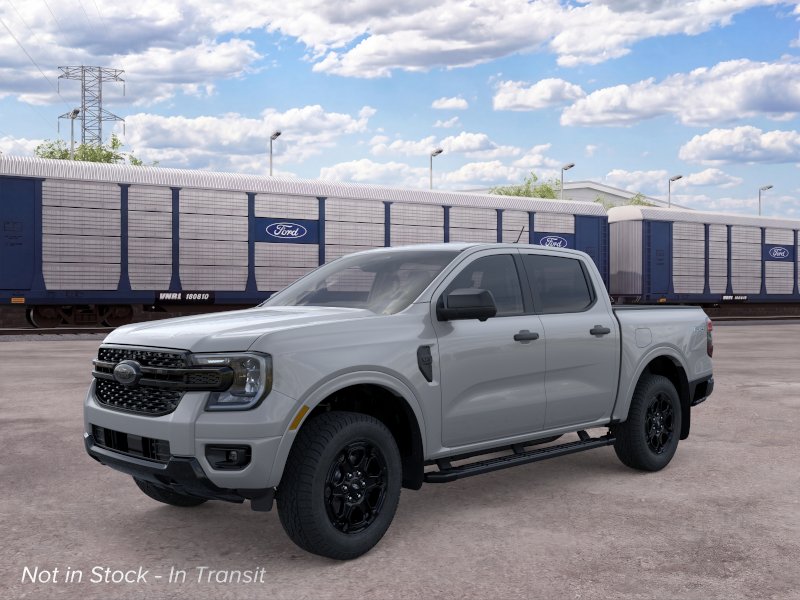
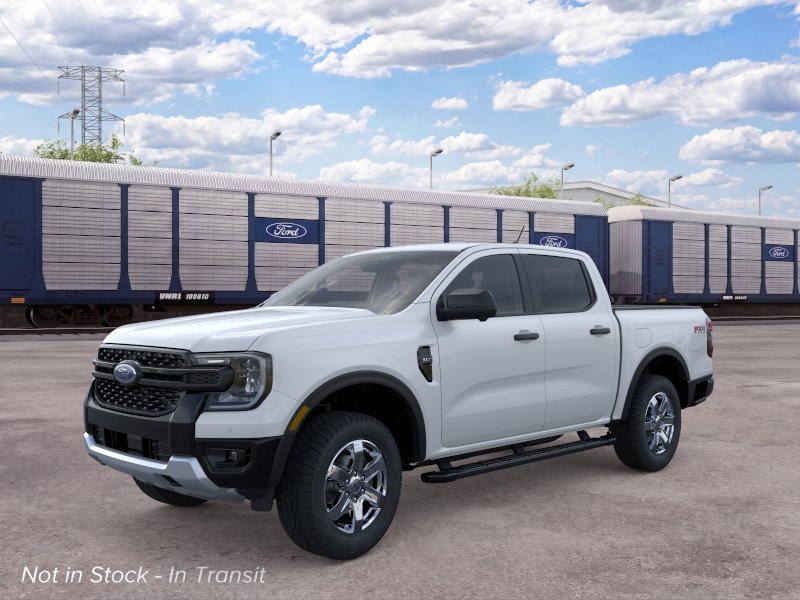
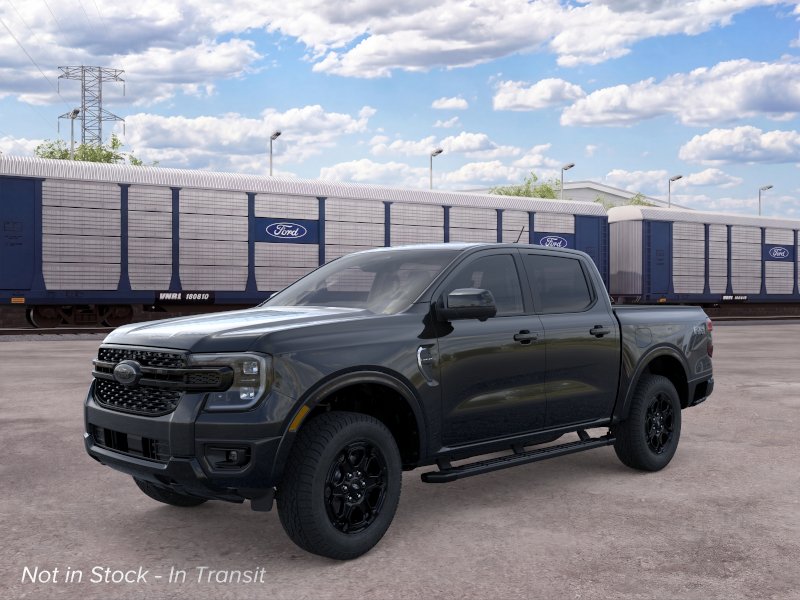
New Ford Ranger for Sale Near Chippewa Falls, WI



Frequently Asked Questions about New Ford Ranger Chippewa Falls, WI
What do you give up moving from a full-size truck to a midsize one?
Mostly outright capability at the upper end and some interior width. What you gain is a truck that fits places a full-size one cannot, and something far less demanding to live with when it is not working. People who tow heavy every week should stay full-size; almost everyone else finds the trade a good one.
Can a Ranger handle a boat or a small camper?
For a typical fishing boat or a compact trailer, yes, and that is a very common use for these around here. What matters is matching the specific truck to the specific trailer, including the hitch equipment and how the trailer brakes are set up. Bring the trailer specifications and we will confirm it with no guessing involved.
Does the back seat work for adults?
Across town or out to a job site, yes. For four adults on a long highway run, the front seats are considerably better and everybody knows it by the second hour. Sit back there yourself before you assume either way, since opinions on this vary more than you would think.
How does it do on gravel and roads that get maintained rarely?
Well, and much of the appeal in this county comes down to exactly that. A midsize truck has the ground clearance and the suspension travel to take a rough surface without drama. Tires matter enormously here, so tell us what surfaces you drive and we will talk about what should be fitted.
What should I check on the truck before I take delivery?
Walk the whole vehicle in daylight, look at the bed floor and the tailgate, open and close everything, and check that the equipment on the window sticker is physically present. Then sit in it and pair your phone before you drive off. Anything that looks wrong is far easier to sort out before you leave than after.
Have Additional Questions?
Most Ranger questions come down to sizing: is this enough truck, or is it more truck than the job requires.
Describe what you tow, what you haul and where you park, and somebody here will give you a direct answer.
Sometimes that answer points at a bigger truck and sometimes at a smaller one, and we would rather be useful than agreeable.
How a Midsize Truck Is Sized and Why It Matters
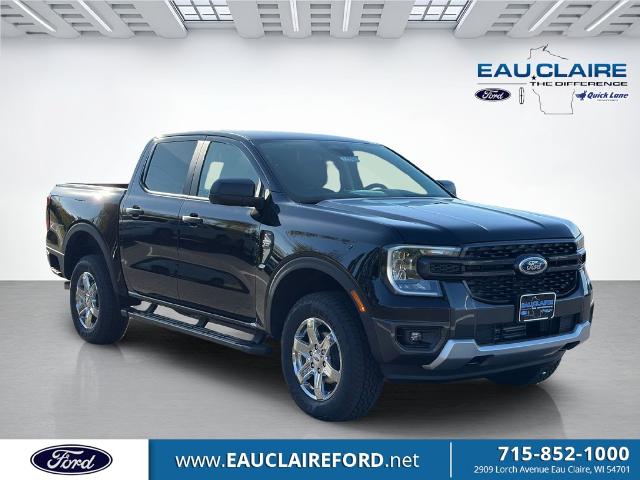
A midsize pickup exists because a real gap sits between a compact pickup and a full-size one, and plenty of buyers live squarely inside it. The Ranger trims both width and overall length against a full-size truck while keeping a proper frame and a proper bed. That combination is what lets it work like a truck and still park like a normal vehicle.
The width is the dimension people notice first and think about least. A narrower body changes how a truck feels on a two-lane road with no shoulder, how it behaves in a drive-through, and whether it fits between the equipment in your shed. None of that appears in a review and all of it shapes daily ownership.
- Ground clearance on a midsize truck sits far closer to a full-size pickup than to a crossover, which is exactly why it copes with a rutted field entrance.
- Turning circle is the specification almost nobody checks and everybody uses, so attempt a three-point turn on a narrow street while you have the truck out.
- Tailgate height decides whether you can sit on it to eat lunch or lace a boot, which sounds trivial until you have owned a truck where you could not.
Bed access is the other practical difference. A midsize truck sits lower than a heavy-duty one, which means reaching over the side to grab something is a normal motion instead of a stretch. Anyone loading and unloading several times a day will feel that difference in their shoulders by the end of a week.
Sizing is the entire argument for this truck. Get the size right and everything else about ownership gets easier by default.
Choosing Between Two Rangers That Look Nearly Identical
Two trucks in the same color with the same badge can be equipped quite differently, and on a midsize truck those differences tend to be functional and not decorative. Tow equipment, bed features, traction hardware and interior technology all vary, and the tailgate badge tells you almost nothing about which ones are present.
The window sticker settles it, and we will pull one for any truck you are considering. Reading it together takes a few minutes and prevents the specific frustration of discovering months later that the truck you bought lacks something you assumed was standard on that trim.
- Tow equipment, bed features and traction hardware vary between trucks wearing identical badges, and none of that variation is visible from the outside.
- Listing photographs rarely show the hitch receiver or the trailer wiring, so ask for a picture of the rear bumper before you drive a long way to look at one.
- Comparing two stickers side by side is what turns the equipment-versus-color tradeoff from a vague feeling into a decision you can make on evidence.
It also helps you weigh two vehicles fairly. A truck carrying the equipment you need in a color you did not pick often serves you better than the reverse, and seeing that in print turns a vague feeling into something you can decide on.
This is unglamorous work and it prevents the most common form of buyer regret. Ask for the sticker on anything you are seriously considering.
Service Records Are Worth Real Money Later
Trucks get resold, and documented maintenance is among the few claims a private seller can make that a buyer will actually believe. Keeping every visit on record with us builds that history automatically, and it costs you nothing beyond having the work done where it gets logged.
This matters more on trucks than on other vehicles because buyers of used trucks are rightly suspicious about how a truck was worked. A complete record showing regular attention answers a question that otherwise gets answered pessimistically. Sellers with records consistently do better than sellers with stories.
- Documented maintenance is close to the only assurance a private seller can offer that a used-truck buyer will take at face value.
- Keeping the original window sticker and the owner manual in the truck adds credibility at resale time and costs you nothing at all to maintain along the way.
- A shop that has followed your truck for years diagnoses unusual problems faster, which quietly saves you money every time something odd comes up.
It also helps you. A shop that has seen your truck through several years knows its history, which makes diagnosing something unusual faster and cheaper. Continuity counts for something in a service relationship, even though no one markets it that way.
Resale is the last thing on anybody's mind in the first year of ownership, and the habits that protect it start in the first year anyway. Getting the work logged is the entire effort required.
Model Year Timing and What It Changes
There is a rhythm to when trucks arrive and when the previous year's stock gets cleared, and it does affect what you pay and what you can find. Shopping late in a model year usually means a narrower selection with better terms. Shopping early means the widest choice and less flexibility on the deal.
Neither timing is the correct one, because it depends on what you value. A buyer with specific requirements should shop early and accept that. A buyer who is flexible on color and equipment can do better waiting, and we will say which category you fall into.
- The arrival of a redesigned model year is the moment the outgoing one becomes most negotiable, and that timing is public information anybody can plan around.
- Trucks ordered late in a model year sometimes arrive built as the following year, so confirm which model year you are buying before anything gets signed.
- Manufacturer programs are published and change on fixed dates, so anything presented to you as a personal favor expiring tonight deserves a long second look.
What we will not do is manufacture a deadline. Programs change on their own schedule and we will lay out what is currently available, but no one here is going to invent urgency that does not exist to move a truck this week.
Timing is a lever, not a trick. Understanding how it works puts you in a better position without anybody having to be clever about it, and Eau Claire Ford will tell you where in that cycle you are currently standing.
Town Streets, County Blacktop and the Gravel Beyond
Driving in this part of the state means three quite different surfaces in a single week. Older streets in town with tight corners and parked cars on both sides. County blacktop that runs fast and open between fields. Then the gravel and dirt that gets you to the places worth going, which gets graded to no particular standard by anyone.
A midsize truck handles that mix better than either of its neighbors. It is narrow enough for the town streets, stable enough for the open runs, and rugged enough that the gravel does not concern you. Very few vehicles are at ease on all three, and that is the practical argument for this size.
- A single week here can include tight in-town streets, open county blacktop and unmaintained gravel, which is a wider range of surface than most drivers anywhere else ever cover.
- Winter tires change what a midsize truck can do on an unplowed county road considerably more than any factory option on the order sheet will.
- Ask a neighbor running a similar truck how their winter actually goes, because local experience on these particular roads beats any published specification you will find.
Winter tightens all of it. Snowbanks narrow streets that were already tight, county roads get plowed on their own schedule, and gravel that was rough in October becomes something else in March. Buying a truck that fits the whole year instead of only the pleasant half of it is worth thinking about.
The people at Eau Claire Ford drive these same three surfaces every week. That is a decent reason to trust a recommendation about which truck copes with them.
The midsize question gets settled by driving one on the roads you already use. Take a Ranger through town, out on the open road and onto something unpaved, and the size argument makes itself.