Explore More in a New Ford Bronco Sport in Eau Claire, WI
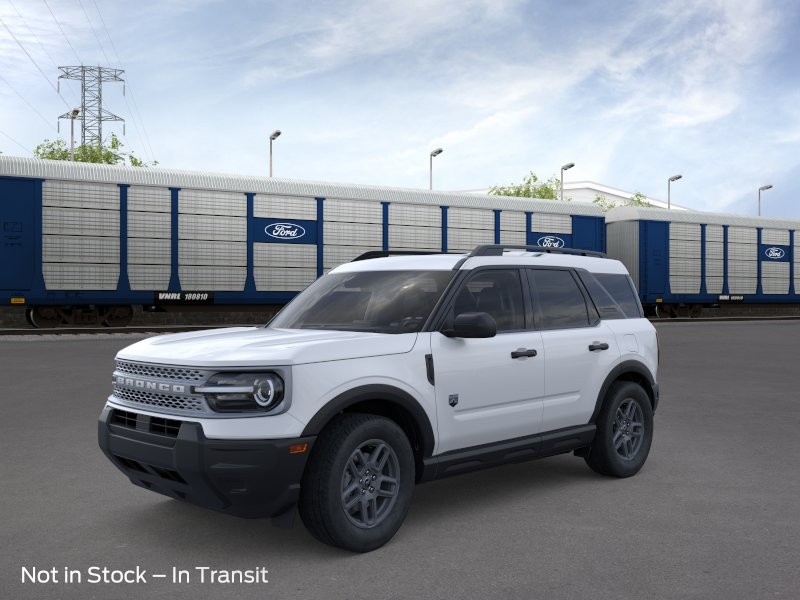
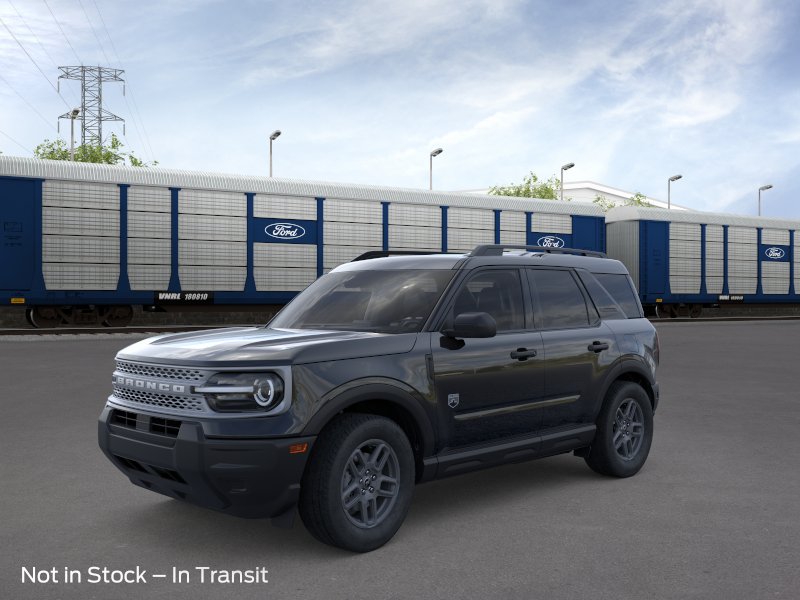
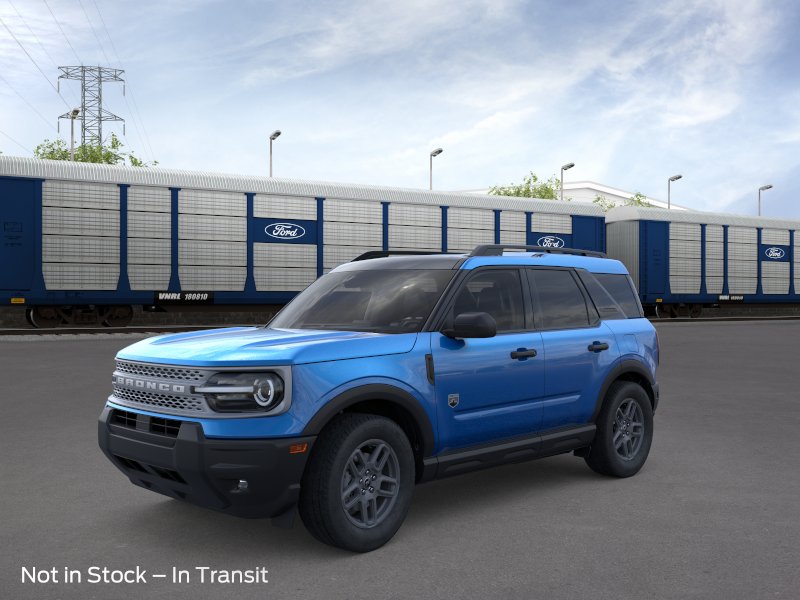
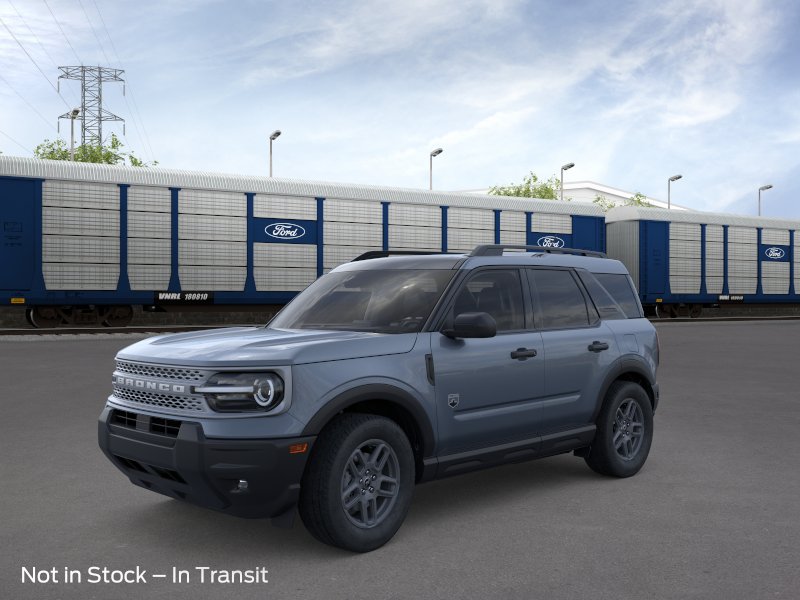

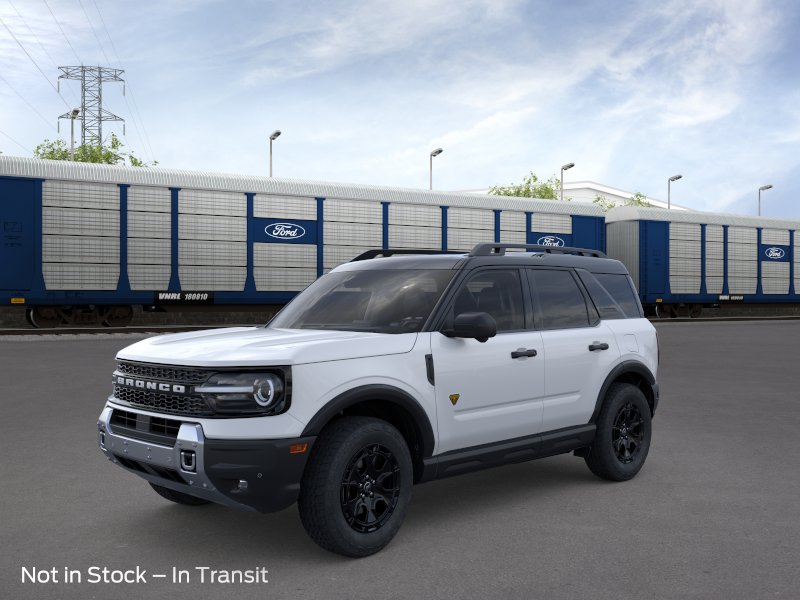
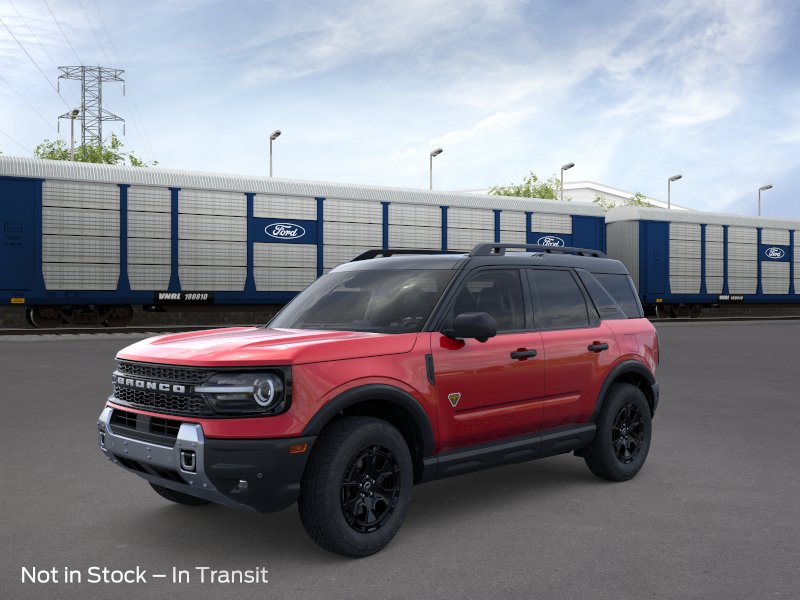
Frequently Asked Questions about the New Ford Bronco Sport Eau Claire, WI
How is the Bronco Sport different from the full-size Ford Bronco?
They share a name and design language, but they're built on different architectures for different buyers. The full Bronco is body-on-frame construction with removable doors and roof, available Dana 44 axles, and engineering centered on serious trail performance — the Bronco Sport is a unibody crossover built for buyers who want outdoor capability and rugged character without the full Bronco's size, fuel consumption, or trail intensity. Neither is better; they're designed around different lives, and knowing which one fits yours makes the decision straightforward.
Does the Bronco Sport have real AWD or is it just front-wheel drive with a badge?
The AWD on most Bronco Sport trims is a genuine intelligent all-wheel drive system that actively sends torque to the rear axle when front traction is compromised — it's not a marketing designation on a front-biased drivetrain. The Badlands trim goes further with a twin-clutch rear-drive unit that can independently control torque to each rear wheel, producing meaningfully better traction in low-speed off-road situations and on uneven terrain. That hardware difference is one of the clearest reasons to consider the Badlands if trail use is a real part of your plans.
What is the Gear On Board system on the Ford Bronco Sport?
Gear On Board is Ford's name for the 400-watt power outlet built into the cargo area on select Bronco Sport trims — a standard household-style outlet, not a USB port or a 12-volt adapter. It powers actual equipment in the back of the vehicle: camp lighting, a small cooler, power tools at a job site, or anything else that needs a real power source rather than a trickle charge. It's a practical feature that buyers who spend time outdoors end up using consistently rather than treating it as a novelty.
Is the Bronco Sport a good fit for someone who commutes daily but wants weekend capability?
That's precisely the buyer the Bronco Sport was designed around. It drives like a crossover on the highway — composed, fuel-efficient, easy to maneuver in parking structures — while offering AWD, legitimate ground clearance, and GOAT modes that make a forest service road or a snow-covered driveway a non-event. Fuel economy on the standard 1.5L EcoBoost is meaningfully better than a body-on-frame off-road vehicle, which makes the daily commute math work without requiring a separate vehicle for weekend use.
What's the difference between the Bronco Sport Big Bend and the Badlands trim?
The Big Bend is the sweet spot for buyers who want everyday capability and a solid feature set at the lineup's most accessible price point — AWD, GOAT modes, and genuine off-road credentials for light to moderate unpaved use. The Badlands is a mechanical step up, not just a content upgrade: the twin-clutch rear-drive unit, more aggressive suspension tuning, a front bash plate, and GOAT mode calibrations optimized for the Badlands' specific hardware make it a different vehicle in low-traction and off-road conditions. If you plan to use actual trails regularly rather than just unpaved access roads, the Badlands drivetrain is worth the difference.
Have Additional Questions?
Have a specific Bronco Sport trim or color in mind? Reach out to Eau Claire Ford before making the drive and we'll confirm what's currently on the lot — inventory moves, and a quick check saves a wasted trip.
Trying to decide between the Bronco Sport and the full Bronco, or comparing it against another crossover in your consideration set? We'll walk through the differences honestly — including where each vehicle falls short for specific situations.
Trade-in estimates, financing pre-approval, and availability checks can all happen before your visit. The more groundwork we cover in advance, the more useful your time here will be.
The Bronco Sport Isn't the Bronco — and That's the Point
The shared name creates reasonable confusion, and it's worth addressing directly before anything else. The Bronco Sport and the full-size Bronco share design DNA and a nameplate, but they're built on different foundations for different buyers. The full Bronco is body-on-frame construction — removable doors, removable roof, available Dana 44 axles, and a trail-first engineering philosophy that shows up in every decision made during its development. The Bronco Sport is a unibody crossover, built on the same platform as the Escape, designed for buyers who want outdoor capability and rugged character without the full Bronco's size commitment, fuel consumption, or off-road intensity.
That's not a knock against the Bronco Sport — it's a precise description of what it excels at. A vehicle that handles a Tuesday commute in the city, takes a forest service road in stride on Saturday, parks in a standard garage, and returns fuel economy numbers that make a long weekend trip financially sensible is genuinely useful. The Bronco Sport was engineered around that exact buyer, and it delivers on those terms without overpromising on trail capability it wasn't built to match.
- Unibody crossover construction — more car-like to drive daily, easier to live with than body-on-frame alternatives
- No removable doors or roof — built for all-weather usability and consistent everyday practicality
- Fuel economy significantly better than the full Bronco — a real advantage for buyers using it as a primary vehicle
Where the Bronco Sport separates itself from a standard compact crossover is in the AWD system architecture, ground clearance figures, and GOAT mode integration — areas where Ford specifically engineered it beyond typical crossover standards. It's a crossover with an off-road engineering foundation that produces real-world differences in the conditions where that foundation gets tested.
If you've been drawn to the Bronco name but weren't sure which version fits your life, the team at Eau Claire Ford can walk you through an honest side-by-side comparison — what the full Bronco does better, what the Bronco Sport handles more practically, and which one matches the way you actually drive.
Big Bend, Outer Banks, Badlands: What Changes as You Move Up
The Bronco Sport lineup moves from the base trim through Big Bend, Outer Banks, Badlands, and available Heritage editions — and unlike some vehicles where ascending the trim chart is primarily about added luxury content, stepping from Big Bend to Badlands involves real mechanical changes that affect how the vehicle performs where it matters most.
The Big Bend is the lineup's volume trim for good reason: AWD, GOAT modes, and a genuinely useful feature set at a price that reflects what it is rather than inflating it with content most buyers won't use. It handles light to moderate off-road situations competently — unpaved roads, gravel trails, loose terrain — without requiring the buyer to pay for hardware they'll never push. The Outer Banks is the lifestyle trim, adding a larger touchscreen, heated front seats, a leather-wrapped interior, and exterior styling upgrades that lean toward a more premium presentation without changing the underlying drivetrain.
- Big Bend: AWD, full GOAT mode system, and practical everyday features at the most accessible price point
- Outer Banks: premium interior content, larger touchscreen, and a more refined appearance for daily-driver-forward buyers
- Badlands: twin-clutch rear-drive unit, retuned suspension, front bash plate, and GOAT modes calibrated for the upgraded hardware
The Badlands is a distinct mechanical tier. The standard AWD on lower trims is capable in most conditions; the Badlands' twin-clutch rear-drive unit can independently modulate torque to each rear wheel, which produces meaningfully better traction on uneven terrain, in deep snow, and in low-speed off-road situations where wheel slip on one side would otherwise stall momentum. The suspension tune is more aggressive, the bash plate protects the undercarriage in rough terrain, and the GOAT mode calibrations are optimized specifically for the Badlands' drivetrain hardware rather than carried over from a lower spec. The Heritage and Heritage Limited trims occupy a stylistic lane separate from the performance ladder — retro-inspired design details and curated color options for buyers who are drawn to the throwback character more than the trail capability.
The right trim comes down to matching the spec to actual use. If trails and variable terrain are a regular part of your plans, the Badlands drivetrain hardware justifies the cost difference. If your off-road excursions run to gravel roads and boat launch ramps, the Big Bend handles those situations without the additional investment — and puts the savings somewhere more useful for how you actually drive.
Off-Road Credentials in a Package That Fits a Normal Parking Space
One of the quiet compromises that comes with a purpose-built off-road vehicle is that the capability involves real trade-offs in everyday use — parking structures become a calculation, fuel stops happen more often, and the driving dynamics that serve you on a trail can feel heavy and deliberate in a city. The Bronco Sport sidesteps that tension by fitting genuine AWD capability, meaningful ground clearance, and a terrain management system into a crossover footprint that handles ordinary situations without asking for trade-offs in return.
The GOAT mode system is adapted for the Bronco Sport's drivetrain and available across all trims. Normal, Eco, Sport, Slippery, Sand, and Mud/Ruts each adjust throttle mapping, AWD engagement behavior, and traction control calibration simultaneously — the same coordinated approach as the full Bronco, scaled to what the Bronco Sport's platform supports. Slippery mode is the one Wisconsin drivers will reach for most in winter: it dials back throttle sensitivity, modulates wheelspin on icy surfaces, and changes the feel of the vehicle in a way that's immediately noticeable compared to leaving it in Normal on a snow-covered road.
- Ground clearance above segment norms for compact crossovers — relevant on unimproved roads and moderate trail terrain
- GOAT modes including Slippery for winter traction and Mud/Ruts for spring road conditions in Wisconsin
- Compact footprint — standard parking spaces, manageable fuel costs, and composed highway driving manners
The Badlands trim extends the capability picture further with its upgraded suspension tune and twin-clutch rear-drive unit, accessing terrain that most crossovers would approach with hesitation. But even the Big Bend handles the kinds of situations that come up regularly for Eau Claire, WI drivers — seasonal roads, fishing access tracks, unplowed subdivisions — without requiring a conscious decision to engage anything.
The Bronco Sport's value for drivers in this area is the overlap between genuine off-road capability and daily practicality. It doesn't force you to choose one or the other based on what you need from a vehicle on a given day.
Cargo, Connectivity, and the Details That Make It Work Every Day
A vehicle earns its keep in the ordinary moments far more than the extraordinary ones — the commute, the hardware store run, the after-school pickup with a backseat full of gear. The Bronco Sport's interior was designed with those realities in mind, balancing a utility-focused cargo layout with a technology package that keeps the everyday experience frictionless rather than dated.
Cargo space is one of the Bronco Sport's stronger suits in the compact crossover class. The fold-flat rear seat opens up a wide, usable load floor, and the available Gear On Board 400-watt power outlet in the cargo area adds a dimension most vehicles in this segment simply don't have — a standard household outlet that powers actual equipment rather than just supplementing phone battery. Camping gear, a portable cooler, power tools on a job site stop — it's a feature that gets used regularly by buyers who spend time outside rather than sitting unused through the vehicle's life.
- Available 400-watt Gear On Board household outlet in the cargo area — powers actual equipment, not just USB devices
- SYNC 4 infotainment with wireless Apple CarPlay and Android Auto on equipped trims
- Available hands-free liftgate — opens automatically on approach when your arms are full
Ford's SYNC 4 infotainment brings a large touchscreen, wireless Apple CarPlay and Android Auto integration, and available built-in navigation to the cabin on equipped trims. The interface is organized well enough that most functions are reachable without submenus, which matters on a back road where taking your eyes off the trail to dig through a screen is the last thing you want to do. The available hands-free liftgate is a practical addition that earns consistent appreciation from buyers who regularly load and unload cargo with both hands occupied.
Interior quality across the Bronco Sport lineup is a step ahead of where compact crossovers often land, and the combination of a well-considered cargo layout and current technology makes the vehicle as easy to live with on a Monday as it is practical on a trail Saturday.
Why the Bronco Sport Makes Sense for Eau Claire-Area Drivers
The Eau Claire, WI area produces a specific kind of driving requirement: a vehicle that handles a daily commute on roads that may be snow-packed in January and soft-shouldered in April, but that can also be loaded up Friday afternoon for a trip north without switching vehicles or making a separate plan. That combination — reliable winter AWD performance, practical cargo space, real off-road composure, and fuel economy that doesn't punish you for daily use — is precisely where the Bronco Sport positions itself.
The standard 1.5L EcoBoost three-cylinder delivers fuel economy figures that make it a practical primary vehicle for buyers who put real miles on a car annually — longer seasonal drives to reach fishing opener spots, hunting areas, or family destinations up north add up, and efficiency matters when you're making those trips regularly. The 2.0L EcoBoost four-cylinder available on the Badlands trades some of that efficiency for additional output and increased towing capacity, which is a worthwhile exchange for buyers whose plans consistently include hauling a trailer or pushing the vehicle harder in off-road conditions.
- 1.5L EcoBoost three-cylinder delivers practical fuel economy for both daily commuting and longer seasonal drives
- 2.0L EcoBoost four-cylinder on Badlands — more output and higher towing capacity for buyers who consistently need both
- AWD standard on most trims — not a cost add-on, just part of how the vehicle is built for this climate
AWD being standard equipment on most Bronco Sport trims rather than an optional upgrade is worth noting for Wisconsin buyers specifically. In a climate where all-wheel drive shifts from a preference to a practical necessity for several months each year, purchasing a vehicle where that capability is built in rather than priced separately simplifies the decision and removes a variable from the ownership experience.
The Bronco Sport occupies a useful position in the crossover market — more capable than the other vehicles it's sized alongside, more practical for daily use than the full Bronco, and well matched to the specific combination of terrain, weather, and lifestyle that drivers in the Eau Claire area navigate year-round. It's a vehicle that earns its purchase price spread across the whole calendar, not just on the weekends.
Browse Eau Claire Ford's current Bronco Sport inventory online to see what trims and configurations are available right now, use our trade-in tool to see what your current vehicle is worth toward the purchase, or connect with our team directly in Eau Claire, WI — we'll help you find the trim that fits how you drive and get you behind the wheel of the right one.